Opponents say the program is tilted to benefit private school students. Supporters say it has the potential to raise billions of dollars for students.
Read more↗︎ from Rules fuel debate over who benefits from the federal school choice plan
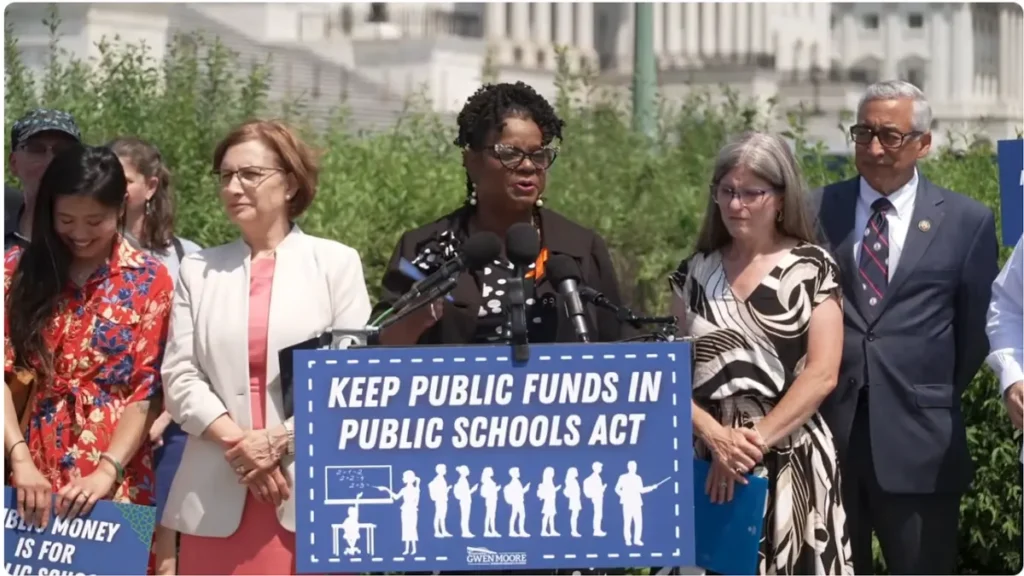
Opponents say the program is tilted to benefit private school students. Supporters say it has the potential to raise billions of dollars for students.

Accelerate is encouraged by the proposed rules Treasury and the IRS released today for the federal scholarship tax credit. But the rules still don’t define what eligible tutoring programs should look like.

The program provides a dollar-for-dollar credit of up to $1,700 for individuals.

But even though public school kids are eligible, some skeptics argue donations will ‘skew heavily’ toward wealthier communities.

Huffman: A handful of states and the nation’s capital offer a road map to improvement in student learning.
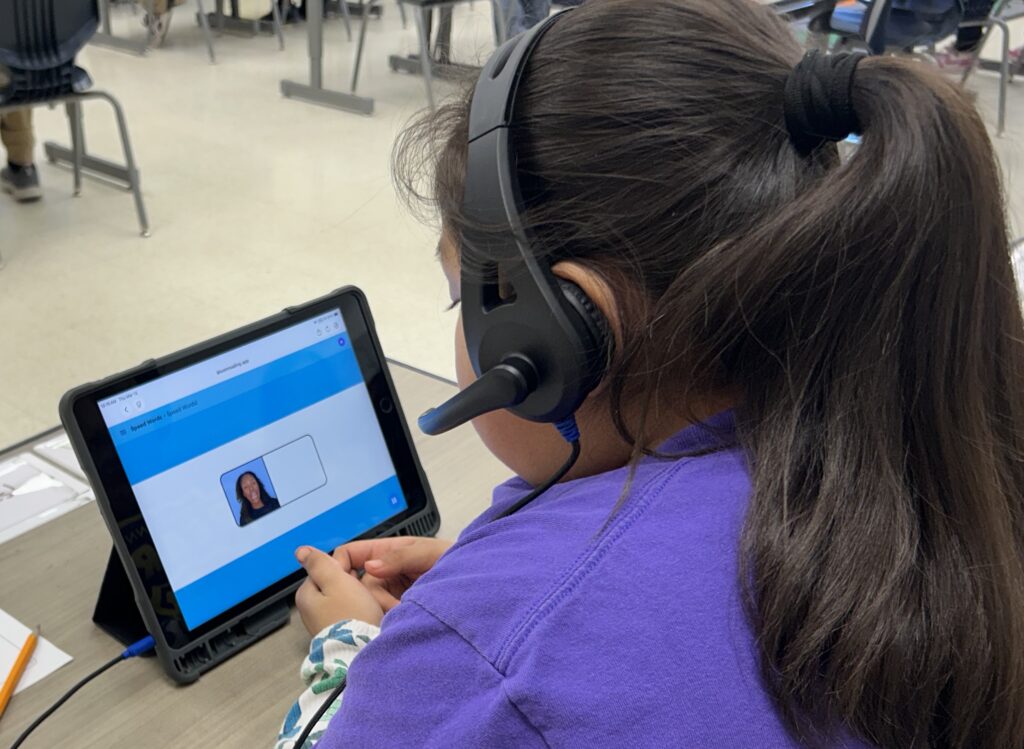
During the 2025-26 school year, Accelerate commissioned independent evaluations of AI-powered tools under real classroom conditions. Over the next few months, we will publish a synopsis of every study, whether the findings are encouraging, disappointing, or inconclusive.

Since Accelerate launched in 2022, we have funded more than 100 studies, including nearly 40 randomized controlled trials. With each new set of studies, our approach to research has evolved.
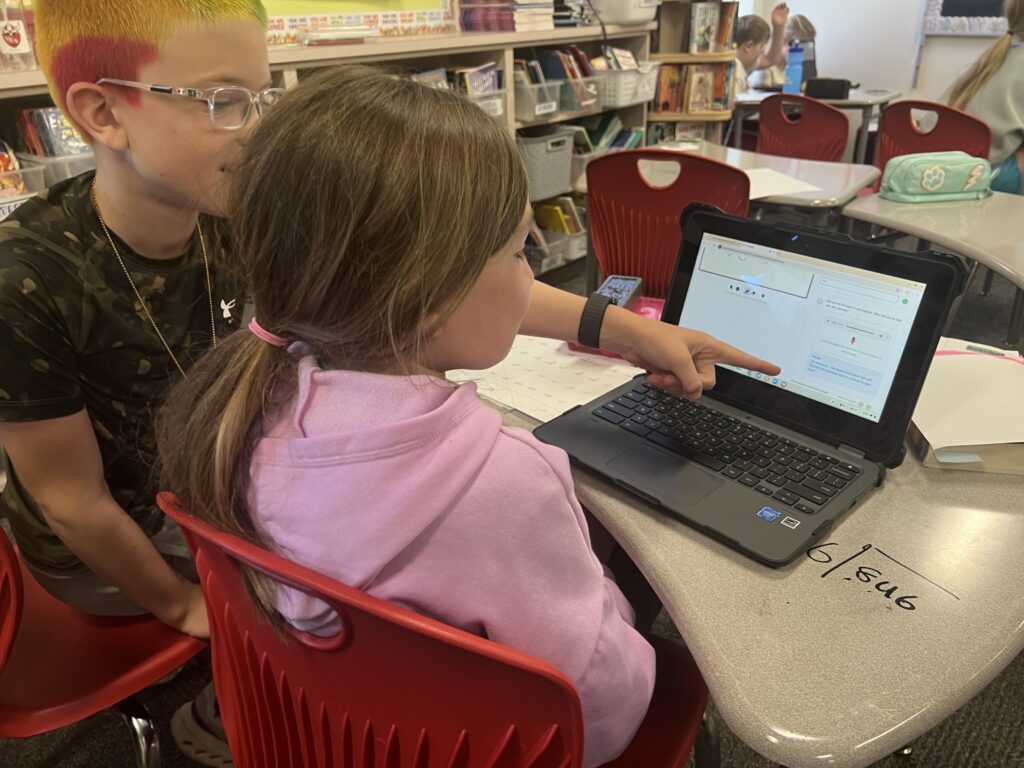
Classroom observations are representative of our commitment to ensuring a bridge between evidence and action. Since 2023, Accelerate staff have visited schools across 32 cities in 19 states and the District of Columbia.

Parents like it. States and districts require it. Most importantly, it works for kids.

In spring 2022, Accelerate launched its Call to Effective Action (CEA) grant program and awarded more than $10 million to 31 partners to develop, scale, and evaluate sustainable, cost-effective tutoring models that could boost academic achievement for students.
Get the latest from Accelerate, including news, insights, and updates on our work.