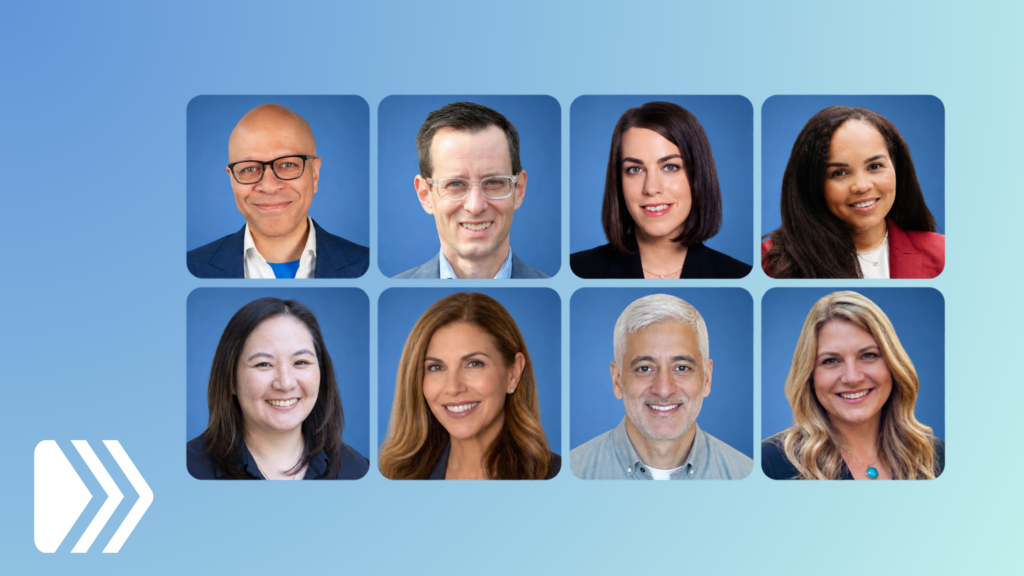
Grantees will generate rigorous evidence that informs how AI tools can improve student outcomes.
Press Release: Accelerate Names 11 Grantees to Test AI’s Promise of Real-Time, Personalized Instruction
Grantees will generate rigorous evidence that informs how AI tools can improve student outcomes.
When the windfall of pandemic-era federal stimulus money that helped districts weather the crisis expired in 2024, it raised a key question: Would the tutoring programs school systems scrambled to implement during that period prove to be temporary?
Godfrey: If Washington wants to throw a sprawling set of K-12 priorities in one pot for states, it needs to track whether it was worth it.
Charlie and Kate Gibson take a closer look at the reading gap between boys and girls and what can be done to address it.
At the Accelerate and ProvenTutoring Convening, the conversation was less about whether tutoring works (it does!) and more about how to execute it well at scale.
New federal grants will help states spread tutoring to rural areas.
In 2024–25, Accelerate funded program implementation and program evaluation research for 16 grantees administering a range of tutoring and personalized learning models in grades K–12.
Boys’ reading struggles are not inevitable, research suggests, and addressing the deficit could improve outcomes in school and beyond.
Launched in 2024 with support from the Walton Family Foundation, the State Implementation Fund addresses a critical challenge in public education: ensuring that strong policies translate into consistent, scalable improvements for students.
The project is one of four grants awarded to expand evidence-based tutoring programs through the U.S. Department of Education’s Education Innovation and Research.
Get the latest from Accelerate, including news, insights, and updates on our work.